| Nombre De La Marca: | Chemfine |
| MOQ: | 1000 kilogramos |
| Item | Specification | Result |
|---|---|---|
| Appearance | White or almost white, amorphous or crystalline powder. Freely soluble in water and in propylene glycol | Conform |
| Identification (IR) | Same absorption bands as reference standard | Conform |
| Identification (Clarity of solution) | Positive | Conform |
| Molar substitution | 0.40~1.50 | 0.69 |
| Betadex | ≤1.5% | 0.32% |
| Propylene glycol | ≤2.5% | 0.11% |
| Any other single impurity | ≤0.25% | Not detected |
| Total impurities excluding betadex and propylene glycol | ≤1.0% | Not detected |
| Propylene oxide | ≤0.0001% | 0.000002% |
| Loss on drying | ≤10.0% | 3.6% |
| Clarity of solution | 1.0g/2ml water solution is clear and transparent | Conform |
| Iron salt, % | ≤0.001 | <0.001 |
| Conductivity | ≤200uS/cm | 42uS/cm |
| The total aerobic microbial count | ≤10³cfu/g | <10cfu/g |
| The total combined molds and yeasts count | ≤10²cfu/g | <10cfu/g |
| CONCLUSION | Conforms to Enterprise Standards | Qualified |
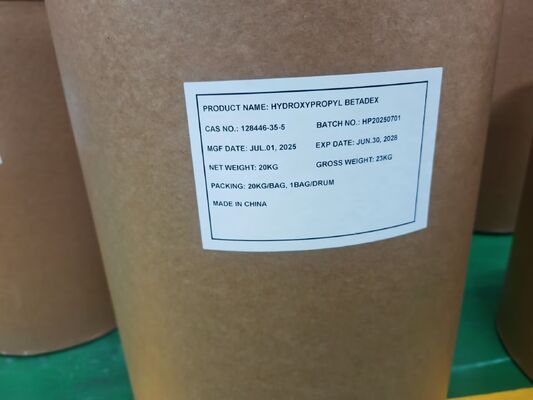
Hydroxypropyl Beta Cyclodextrin, commonly known as HPBCD or HP-β-CD, is a chemically modified derivative of beta cyclodextrin with CAS number 128446-35-5. It is produced by reacting beta cyclodextrin with propylene oxide under alkaline conditions, resulting in a product with significantly improved water solubility compared to native beta cyclodextrin.
The unique molecular structure of HPBCD features a hydrophobic internal cavity and a hydrophilic external surface with hydroxypropyl substituents, allowing it to form water-soluble inclusion complexes with a wide range of guest molecules. This property makes it an invaluable ingredient for improving the solubility, stability and bioavailability of poorly soluble active ingredients. It is extensively used in the food industry as a flavor encapsulant, in the cosmetic industry as an active ingredient carrier, and in various industrial applications.
Our HPBCD is manufactured with advanced production technology, with full batch traceability and complete supporting quality documents. We offer both standard grade and customized specifications with different molar substitution degrees to meet specific customer requirements and ensure long-term stable bulk supply for global manufacturers.
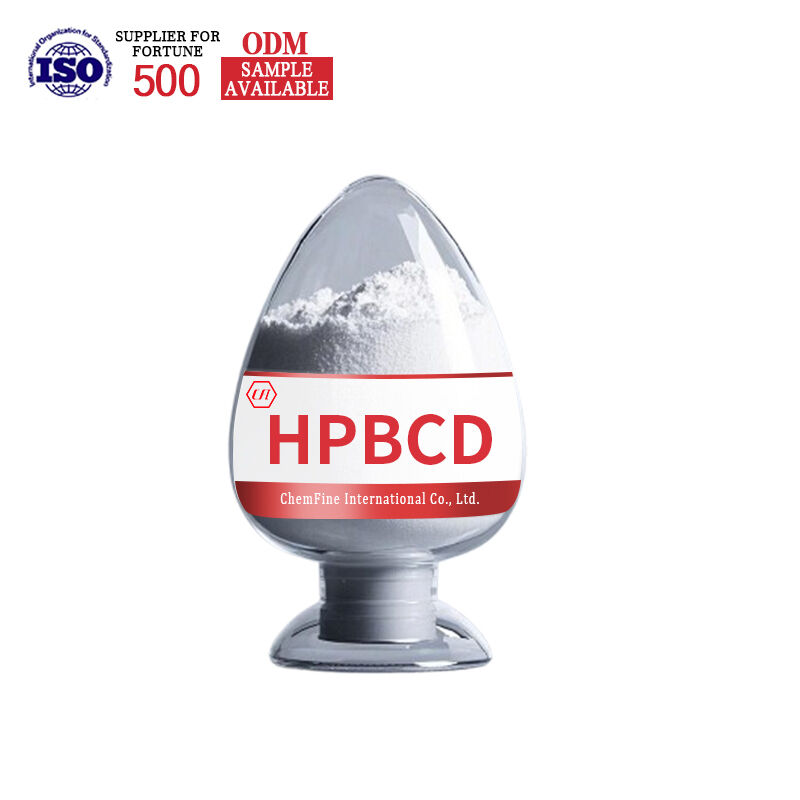
Appearance: White or almost white, amorphous or crystalline powder
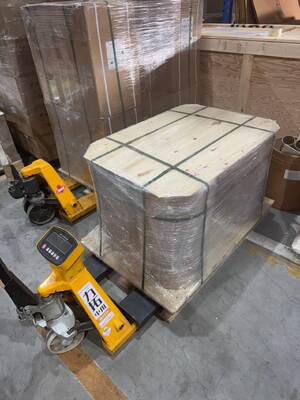
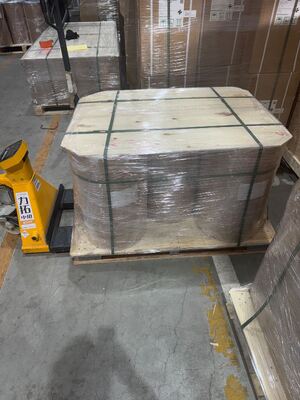
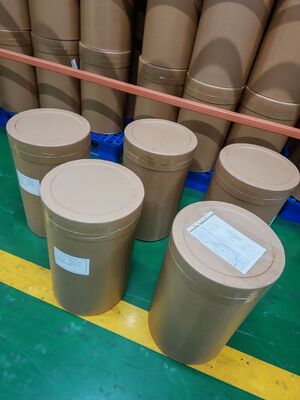
Packaging: 25kg fiber drum with inner PE liner; 500kg big bag; Customized packaging available upon request
MOQ: 1 Metric Ton (25kg sample drum supported for testing and evaluation)
Storage Conditions: Store in tightly sealed containers in a cool, dry and well-ventilated warehouse at 5-30℃; Keep away from moisture, heat sources and incompatible materials; Avoid direct sunlight; 24-month shelf life under proper storage conditions
Transport Classification: Common chemical
A1: Molar substitution is the average number of hydroxypropyl groups per glucose unit in the cyclodextrin molecule. It ranges from 0.40 to 1.50 for HPBCD. Higher MS values result in better water solubility but may reduce inclusion capacity. Our standard grade has an MS of 0.69, which provides an optimal balance between solubility and inclusion performance.
A2: HPBCD has significantly higher water solubility (>50g/100mL at 25℃) compared to native beta cyclodextrin (18.5g/100mL at 25℃). It also has lower toxicity and better biocompatibility, making it suitable for a wider range of applications.
A3: Yes, HPBCD is generally recognized as safe (GRAS) by the FDA and is approved for use as a food additive and cosmetic ingredient in most countries worldwide. It has low toxicity, is non-irritating and is rapidly excreted from the body unchanged.
A4: The recommended usage level varies depending on the application:
The exact concentration should be determined based on the specific active ingredient and desired effect.
A5: Common methods for preparing inclusion complexes include:
A6: HPBCD has a shelf life of 24 months when stored in tightly sealed original containers under proper storage conditions. It is hygroscopic and will absorb moisture from the air, which can cause caking. Keep containers tightly closed when not in use and store in a dry place.
| Nombre De La Marca: | Chemfine |
| MOQ: | 1000 kilogramos |
| Item | Specification | Result |
|---|---|---|
| Appearance | White or almost white, amorphous or crystalline powder. Freely soluble in water and in propylene glycol | Conform |
| Identification (IR) | Same absorption bands as reference standard | Conform |
| Identification (Clarity of solution) | Positive | Conform |
| Molar substitution | 0.40~1.50 | 0.69 |
| Betadex | ≤1.5% | 0.32% |
| Propylene glycol | ≤2.5% | 0.11% |
| Any other single impurity | ≤0.25% | Not detected |
| Total impurities excluding betadex and propylene glycol | ≤1.0% | Not detected |
| Propylene oxide | ≤0.0001% | 0.000002% |
| Loss on drying | ≤10.0% | 3.6% |
| Clarity of solution | 1.0g/2ml water solution is clear and transparent | Conform |
| Iron salt, % | ≤0.001 | <0.001 |
| Conductivity | ≤200uS/cm | 42uS/cm |
| The total aerobic microbial count | ≤10³cfu/g | <10cfu/g |
| The total combined molds and yeasts count | ≤10²cfu/g | <10cfu/g |
| CONCLUSION | Conforms to Enterprise Standards | Qualified |
Hydroxypropyl Beta Cyclodextrin, commonly known as HPBCD or HP-β-CD, is a chemically modified derivative of beta cyclodextrin with CAS number 128446-35-5. It is produced by reacting beta cyclodextrin with propylene oxide under alkaline conditions, resulting in a product with significantly improved water solubility compared to native beta cyclodextrin.
The unique molecular structure of HPBCD features a hydrophobic internal cavity and a hydrophilic external surface with hydroxypropyl substituents, allowing it to form water-soluble inclusion complexes with a wide range of guest molecules. This property makes it an invaluable ingredient for improving the solubility, stability and bioavailability of poorly soluble active ingredients. It is extensively used in the food industry as a flavor encapsulant, in the cosmetic industry as an active ingredient carrier, and in various industrial applications.
Our HPBCD is manufactured with advanced production technology, with full batch traceability and complete supporting quality documents. We offer both standard grade and customized specifications with different molar substitution degrees to meet specific customer requirements and ensure long-term stable bulk supply for global manufacturers.
Appearance: White or almost white, amorphous or crystalline powder
Packaging: 25kg fiber drum with inner PE liner; 500kg big bag; Customized packaging available upon request
MOQ: 1 Metric Ton (25kg sample drum supported for testing and evaluation)
Storage Conditions: Store in tightly sealed containers in a cool, dry and well-ventilated warehouse at 5-30℃; Keep away from moisture, heat sources and incompatible materials; Avoid direct sunlight; 24-month shelf life under proper storage conditions
Transport Classification: Common chemical
A1: Molar substitution is the average number of hydroxypropyl groups per glucose unit in the cyclodextrin molecule. It ranges from 0.40 to 1.50 for HPBCD. Higher MS values result in better water solubility but may reduce inclusion capacity. Our standard grade has an MS of 0.69, which provides an optimal balance between solubility and inclusion performance.
A2: HPBCD has significantly higher water solubility (>50g/100mL at 25℃) compared to native beta cyclodextrin (18.5g/100mL at 25℃). It also has lower toxicity and better biocompatibility, making it suitable for a wider range of applications.
A3: Yes, HPBCD is generally recognized as safe (GRAS) by the FDA and is approved for use as a food additive and cosmetic ingredient in most countries worldwide. It has low toxicity, is non-irritating and is rapidly excreted from the body unchanged.
A4: The recommended usage level varies depending on the application:
The exact concentration should be determined based on the specific active ingredient and desired effect.
A5: Common methods for preparing inclusion complexes include:
A6: HPBCD has a shelf life of 24 months when stored in tightly sealed original containers under proper storage conditions. It is hygroscopic and will absorb moisture from the air, which can cause caking. Keep containers tightly closed when not in use and store in a dry place.